Getting there
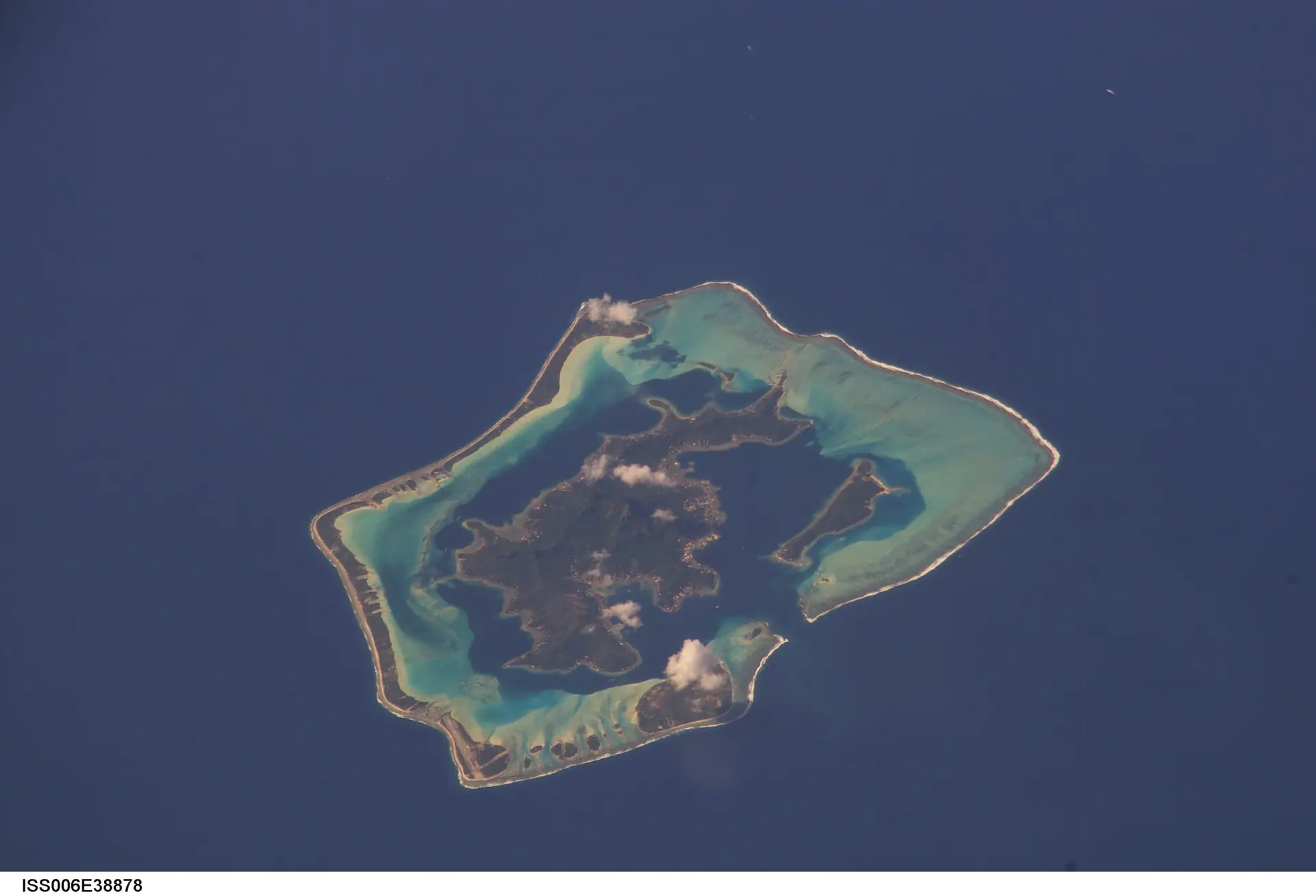
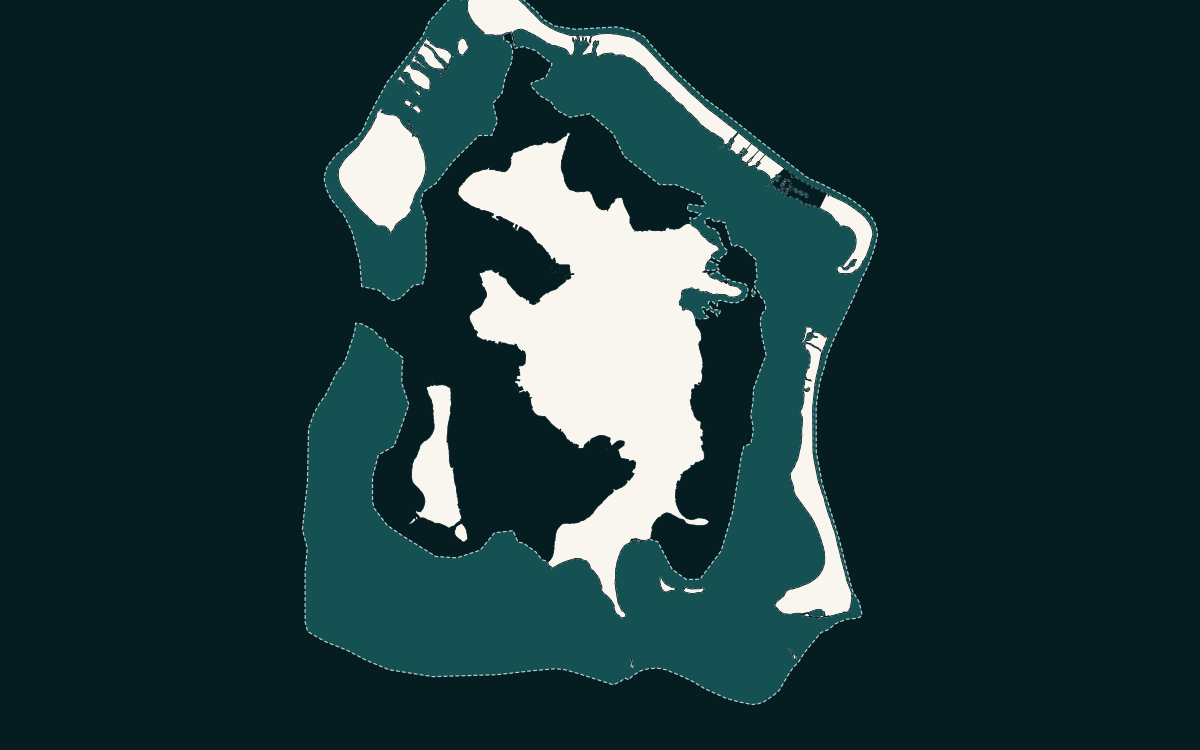
Bora Bora airport sits on Motu Mute, an islet between the reef and the lagoon, and can only be reached by sea. Air Tahiti and Air Moana, each with an agency in Vaitape, fly there from Tahiti in 50 minutes, or up to an hour and a half with a stopover; direct flights from Moorea also take 50 minutes, from Raiatea 20 minutes, and the airport is linked with Huahine, Maupiti, Rangiroa, Fakarava and Tikehau. The boat shuttle to the Vaitape quay takes a quarter of an hour and its price is included in the air ticket; Air Moana’s shuttle, reserved for its passengers and with no booking needed, leaves an hour and a quarter before the flight. Guests of the luxury hotels are collected at the airport by their hotel’s boats, and many places to stay run their own transfer from the airport or the Vaitape quay.
By sea, the Apetahi Express provides the regular service to Bora Bora once a week from Papeete, via Huahine, Raiatea and Taha’a; Tahiti Tourisme counts about 8 hours by boat from Tahiti. The Maupiti Express 2 links Bora Bora with Taha’a, Raiatea and Maupiti. On the Vaitape quay: taxis, car and scooter hire, and the trucks of the local bus service.
Climate and seasons
Bora Bora, in the Leeward Islands, has the same humid tropical climate as the rest of the Society archipelago: a rainy season from November to April, December and January the wettest, a cool dry season from June to September, April–May and October–November in transition, March the warmest month; the archipelago’s reference annual mean, measured at Faa’a, is 26 °C. Cyclone risk affects the whole of French Polynesia from November to April. Tahiti Tourisme gives a water temperature of 27 to 29 °C.
Bora Bora is among the islands where the Direction de l’environnement issues humpback whale watching permits: the whales arrive from July to the end of October, licensed outings take place only from 20 July to 20 November, with a single licensed boat per island and per company group, never in the lagoon or the passes, and no boat within 100 m of the animals.
What makes the island
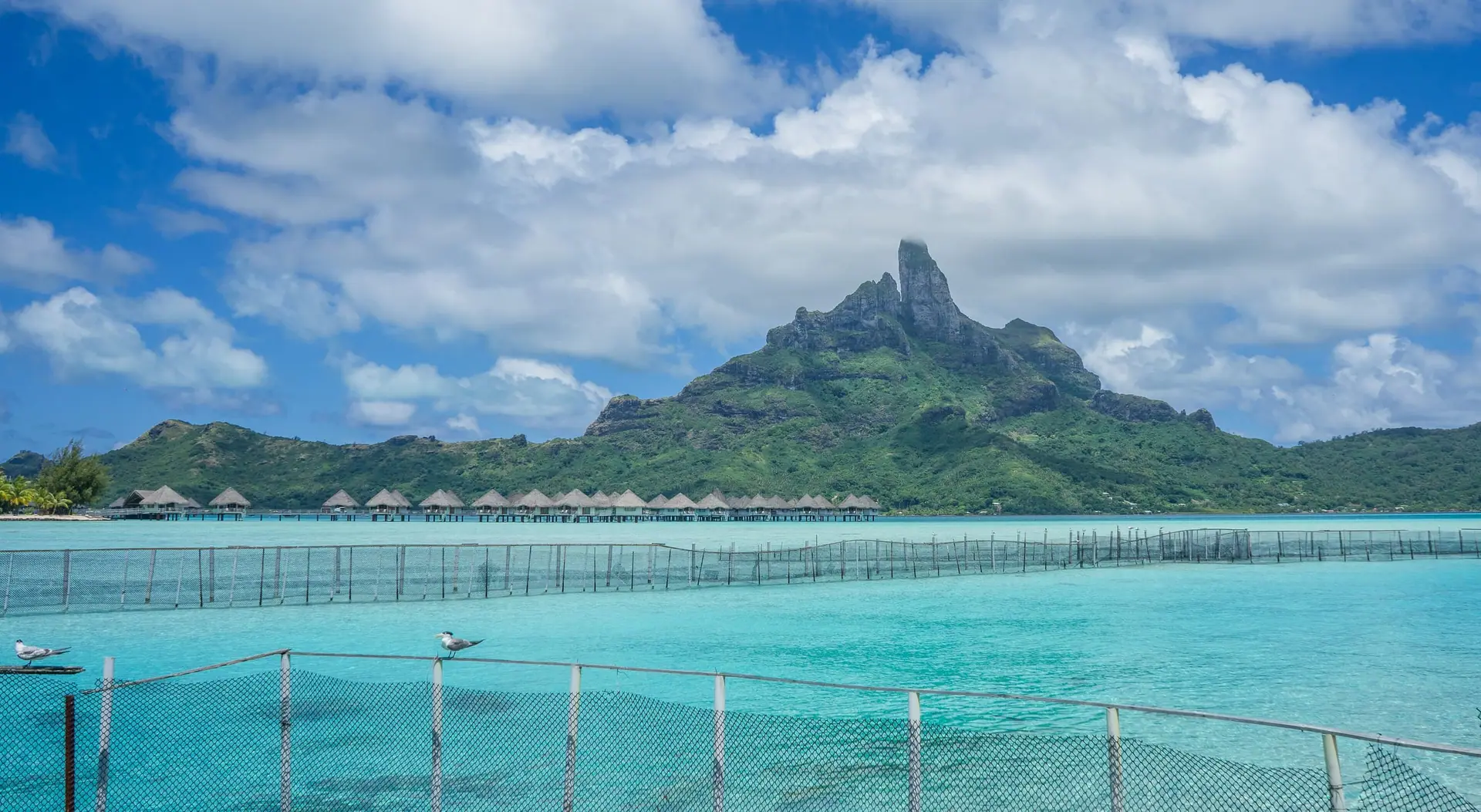
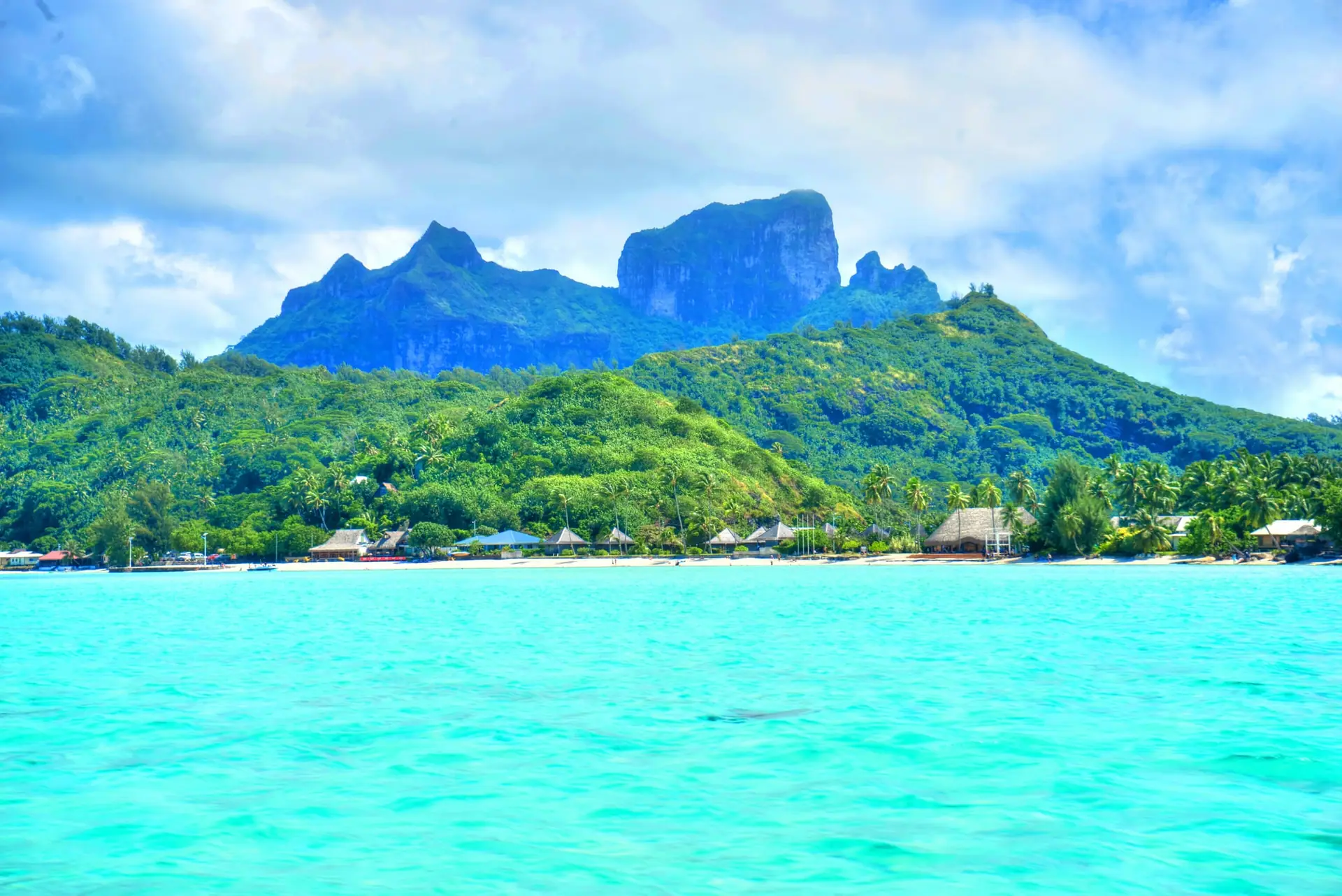
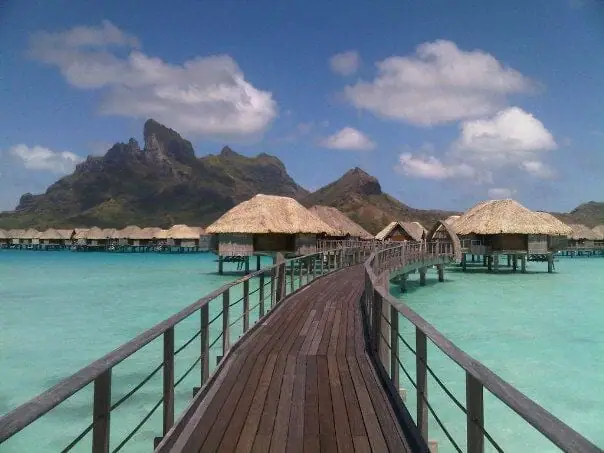
Mount Otemanu (727 m) towers over the island; the trails of Mounts Popoti, Pa’ia and Otemanu lead to viewpoints, the full summit being for experienced climbers only. Matira beach, the best known, is also the island’s only public beach: swimming, snorkelling, kayaking, paddleboarding. The lagoon is visited by boat: coral gardens, snorkelling stops on secluded motu, rays and blacktip sharks, often with a Polynesian lunch; visibility reaches 40 m. For divers, the Anau site is the one for manta rays, Tapu the one for large lemon sharks, Muri Muri a drift over a sand spit and a coral field.
Vaitape, the main village, is explored on foot, and the mountainous interior by 4x4. The remains of the American base, set up in 1942 by Operation Bobcat and kept until June 1946, can be seen at several points around the island: cannons turned towards the ocean, bunkers and the old airstrip on Motu Mute, which remained the only international airport in French Polynesia until 1963; from Faanui, an easy walk of about 2 km follows this theme.
Where to stay and eat
The airport and most of the hotels are on the motu that surround the main island; a boat is therefore needed for many hotels, and transfers for excursions are usually included in the price. Tahiti Tourisme describes every kind of accommodation: hotels with overwater bungalows, invented here, resorts with a pool, private villas, bed and breakfasts, furnished rentals and family guesthouses; some hotels also offer garden-view or beachfront rooms at more affordable rates, and the guesthouses and budget accommodation are on the main island, between Vaitape and Matira. The hotel beaches, on the main island as on the motu, are reserved for their guests.
For meals: restaurants, roulottes, snack bars and bars. The food stalls on the Vaitape quay serve hearty, affordable local cooking, grilled dishes, fresh fish and Polynesian specialities; Matira gathers several restaurants, bars and snack bars; the hotel restaurants, with views of the lagoon, combine lagoon produce with French and international cuisine. Raw fish in coconut milk remains the dish to try. For a table at the water’s edge, Tahiti Tourisme advises booking ahead.
On the island
The commune of Bora Bora publishes its tourist tax: until 31 December 2026, 200 F per person per night in classified hotels and on cruise ships, 50 F in other accommodation (family guesthouses, furnished rentals), children under 12 accompanying their parents being exempt. New rates are being prepared for 1 January 2027, the date on which country law no. 2025-38 applies, with ceilings from 1,500 F in a five-star hotel to 100 F in a family guesthouse and exemption for children under two only; the commune states that only the published deliberations are authoritative.
Tahiti Tourisme states that Visa and Mastercard are accepted in most hotels and shops in Bora Bora; the currency remains the Pacific franc, pegged at 1,000 XPF to 8.38 EUR. Tap water is not guaranteed drinkable in every commune: check on tefenua.gov.pf or boil it for at least a minute. During the dengue epidemic of 2024–2025, Bora Bora was among the islands with the highest rates; repellent and long clothing remain advisable. The Bora Bora tourism committee is in Vaitape (+689 40 67 76 36). Tahiti Nui Helicopters has a base on Bora Bora, at Nunue, for scenic flights and inter-island transfers.
Sources: Tahiti Tourisme, Bora Bora · Tahiti Tourisme, mont Otemanu · Aéroport de Tahiti, Bora Bora · Tahiti Tourisme, venir à Bora Bora · ISPF, populations légales 2022 · Tahiti Tourisme, venir et se déplacer à Bora Bora · Air Moana, destination Bora Bora · Air Moana, navette maritime de Bora Bora · Air Moana, aéroport de Bora Bora · Apetahi Express, desserte de Bora Bora · Tahiti Tourisme, Apetahi Express · Tahiti Tourisme, d’île en île · Météo-France Polynésie française, climat · Météo-France, note TRACC archipel de la Société (2026) · Haut-commissariat, saison cyclonique · Tahiti Tourisme, météo et saisons · Direction de l’environnement, mammifères marins 2025 · Tahiti Tourisme, que faire à Bora Bora · Tahiti Tourisme, les plages de Bora Bora · Tahiti Tourisme, plongée à Bora Bora · Tahiti Tourisme, l’histoire militaire de Bora Bora · Tahiti Tourisme, hébergements à Bora Bora · Tahiti Tourisme, où manger à Bora Bora · Commune de Bora Bora, taxes et redevances · Assemblée de la Polynésie française, rapport sur le projet de loi du pays portant diverses mesures fiscales (novembre 2025) · DICP, réforme de la taxe de séjour · Tahiti Tourisme, monnaie et change · IEOM, taux de change · Centre de santé environnementale, les eaux de consommation · Direction de la santé, bulletin de surveillance sanitaire n° 45, bilan de l’épidémie de dengue 2024-2025 · Tahiti Tourisme, Comité du tourisme de Bora Bora · Tahiti Nui Helicopters, accueil · checked 19 October 2026